Safety devices for seniors offer essential support for independent living. You'll find various options, including personal emergency response systems with 24/7 monitoring, fall detection sensors, and medication management tools. Home monitoring technologies provide thorough security, while mobility aids enhance daily activities. Communication devices ensure quick access to help in emergencies. When choosing a device, consider your specific needs, research features, and consult healthcare professionals. Look for user-friendly interfaces and compatibility with existing home systems. Don't forget to evaluate affordability and long-term value. By exploring these options, you'll discover the perfect solution to enhance your safety and peace of mind.
Types of Senior Safety Devices
There's a wide range of safety devices designed to help seniors maintain their independence and security at home. Personal Emergency Response Systems (PERS) are essential for aging adults, featuring wearable devices with alert buttons that can summon immediate assistance during emergencies. These devices often work in tandem with Medical Alert Devices, which offer 24/7 monitoring services to guarantee quick response to health issues.
Fall Detection Sensors are another critical component of senior safety. These devices automatically detect falls and send alerts to caregivers or emergency services, providing prompt assistance when needed.
For those with limited mobility, Mobility Aids such as canes, walkers, and rollators offer stability and support, helping seniors move around safely.
Home Safety Devices are also essential for aging adults. These include smart technologies, automatic stove turn-off devices, and medication management tools that enhance safety and independence.
Personal Emergency Response Systems
Among the various safety devices for seniors, Personal Emergency Response Systems (PERS) stand out as a cornerstone of home safety, offering a lifeline in critical situations. These innovative safety products are designed to provide immediate assistance when you need it most.
PERS devices, often considered among the best safety devices for seniors, come in two main forms: wearable devices and home units. Both types of PERS feature an alert button that, when pressed, connects you to 24/7 monitoring centers. These centers can quickly dispatch emergency assistance to your location.
Many PERS devices also incorporate advanced features like fall detection, which automatically alerts the monitoring center if you've taken a fall. For seniors with mobility issues, chronic conditions, or those living alone, PERS devices offer invaluable peace of mind. They ensure that help is always just a button press away.
Some systems even include GPS tracking, allowing for precise location information in case of emergencies outside the home.
Fall Prevention and Detection
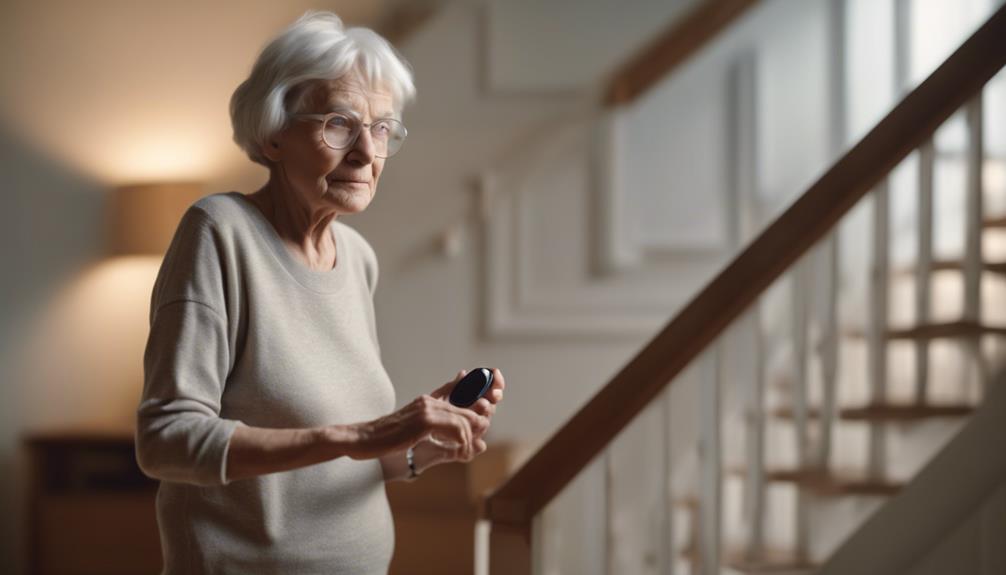
A critical aspect of senior safety, fall prevention, and detection devices can greatly reduce the risk of injuries and provide rapid assistance when accidents occur. These safety devices are designed to address the unique challenges seniors face in their daily lives.
In the bathroom, where falls are common, you can install grab bars, non-slip mats, and shower chairs to enhance stability and reduce risks. For overall home safety, fall detection sensors in medical alert devices can automatically alert emergency services if a fall occurs, ensuring prompt assistance.
Mobility aids like canes and walkers are essential devices that provide stability and support, helping you maintain balance and prevent falls as you move around. In the kitchen, automatic stove turn-off devices can prevent fire hazards and accidents, offering peace of mind for both seniors and their caregivers.
Don't overlook the importance of vision enhancement devices. Magnifiers and contrast-enhancing glasses can help you better navigate your environment, avoiding obstacles that might lead to falls.
Medication Management Solutions
For seniors juggling multiple medications, innovative devices like Med-E-Lert can be lifesavers, providing consistent reminders and secure dispensing to make sure you're taking the right doses at the right times. These medication management solutions offer peace of mind for both older adults and their caregivers, promoting independence and guaranteeing medication safety.
Med-E-Lert, a popular medication dispenser, stands out for its user-friendly design and robust features. Here's what you can expect from this safety device:
- Month-long capacity: Hold up to 28 days' worth of medication
- Tamper-resistant design: Guarantees medication safety and prevents accidental overdoses
- Multiple daily alarms: Program up to six alerts per day for complex schedules
- Easy setup: Simple to use, even for seniors with limited tech experience
Home Monitoring Technologies
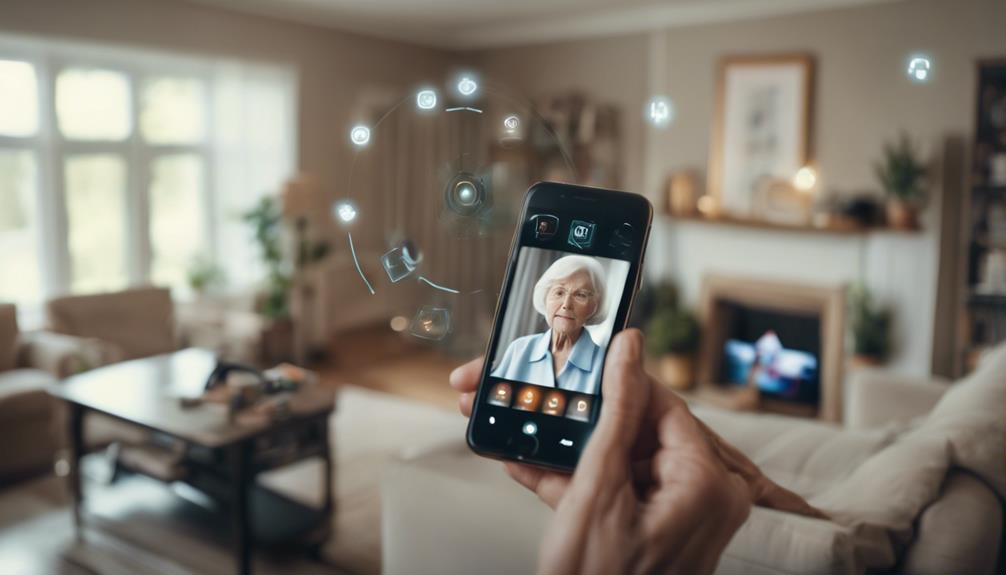
While medication management is essential, you'll also want to explore home monitoring technologies to guarantee your safety and independence as you age in place. These safety devices for seniors offer a range of solutions to keep you protected and provide peace of mind for both you and your loved ones.
Home security systems tailored for seniors often include cameras, sensors, and smart home devices that work together to create a thorough monitoring system. These technologies can detect falls, track your activity levels, and send alerts in case of emergencies. Many systems offer 24/7 monitoring services, ensuring that help is dispatched quickly when needed.
Motion sensors are particularly useful in preventing falls and monitoring your daily routine. They can trigger automatic lighting or alert caregivers if there's a sudden change in your activity patterns. Smart locks and video doorbells enhance your home's security, allowing you to control access and see who's at your door remotely.
Medical alert systems are another vital component of home monitoring technologies. These devices can be worn as pendants or wristbands, providing immediate access to help with just the push of a button.
Mobility Aids and Accessories
Mobility aids and accessories play an essential role in maintaining your independence and safety as you age, offering a range of tools to support your daily activities. From canes and walkers to specialized footwear and bathroom modifications, these devices can greatly enhance your quality of life and reduce the risk of falls.
When selecting mobility aids, take into account your specific needs and lifestyle. Canes provide stability for those with minor balance issues, while walkers offer more support for those with greater mobility challenges. Roller walkers with seats are particularly useful, allowing you to rest when needed during longer outings.
Here are four key mobility aids and accessories to explore:
- Slip-on shoes with nonslip soles and proper support
- Shower chairs and grab bars for bathroom safety
- Lifting recliners to assist with getting up and down
- Roller walkers with seats for extended mobility and rest options
Communication and Alerting Tools

In addition to physical aids, you'll want to explore communication and alerting tools that can provide a lifeline in emergencies and enhance your overall safety at home. These safety devices are designed specifically for seniors and can offer peace of mind for both you and your loved ones.
Medical alert systems are essential communication devices that can be lifesavers in critical situations. These systems typically include panic buttons and fall detection sensors, which can automatically alert a 24/7 monitoring center if you experience a fall or other emergency. You'll often find these features in wearable pendants or bracelets, allowing you to quickly call for help with just a press of a button.
Some advanced communication tools also incorporate GPS tracking capabilities. This feature enables monitoring centers or emergency services to pinpoint your location quickly, ensuring prompt assistance when you need it most.
Choosing the Right Safety Device
Selecting the ideal safety device for a senior requires careful consideration of their unique needs and lifestyle. When choosing a safety device, it's important to focus on the senior's specific needs and any limitations they may have. Research different devices' features and functions to find the best fit for your loved one's situation.
Look for safety devices that offer:
- 24/7 monitoring capabilities
- Immediate emergency response
- User-friendly interfaces
- Compatibility with existing home systems
As you compare options, consider both affordability and value. Some devices may have upfront costs, while others require ongoing subscriptions. Weigh these factors against the features provided to make sure you're getting the best value for your investment.
Don't hesitate to consult with healthcare professionals or specialists for recommendations on the most suitable safety devices. They can offer valuable insights based on their experience with seniors' needs and potential risks.
Frequently Asked Questions
What Are Some Safety Considerations for Older Adults?
You should focus on preventing falls, especially in the bathroom. Use non-slip mats and grab bars. Talk to your loved ones about safety concerns. Consider installing safety devices to maintain independence and respond to emergencies.
What Equipment Do Elderly Need?
You'd think the elderly don't need much, right? Wrong! You'll want to equip your loved ones with PERS, fall detection sensors, mobility aids, home safety devices, and medication dispensers. They're essential for maintaining independence and safety.
How Can We Promote Safety in the Elderly?
You can promote safety for the elderly by installing grab bars in bathrooms, using medical alert devices, and adding slip-resistant mats. Encourage proper footwear, install motion sensor lights, and educate seniors on fall prevention techniques.
What Are the Safety Measures Needed in Taking Care of the Elderly Clients?
You'll need to implement various safety measures for elderly clients. Install non-slip mats and grab bars in bathrooms, use personal emergency response systems, provide mobility aids, set up shower chairs, and utilize medication dispensers for proper management.
Conclusion
You've now got a roadmap to navigate the sea of senior safety devices. Whether it's a personal alarm or a smart pill dispenser, these tools can be lifelines for older adults.
Remember, the best device is one that fits seamlessly into your loved one's lifestyle. By choosing wisely, you'll create a safety net that allows seniors to maintain their independence while giving you peace of mind.
It's time to take the first step towards a safer future.