Wearables for seniors are innovative devices designed to enhance safety, health monitoring, and independence. You'll find smartwatches, GPS trackers, and medical alert bracelets with features like fall detection, real-time health tracking, and emergency assistance buttons. These gadgets offer peace of mind with user-friendly interfaces, long battery life, and seamless data sharing. They can monitor crucial signs, track physical activity, and provide medication reminders. While costs vary, some insurance plans may offer coverage. Popular brands include CarePredict, Medical Guardian, and GetSafe. By exploring the world of senior-friendly wearables, you'll discover how technology can greatly improve quality of life for older adults.
Types of Senior-Friendly Wearables
When it comes to senior-friendly wearables, you'll find a diverse range of options designed to enhance safety, health monitoring, and independence for older adults. Smartwatches are a popular choice, offering health monitoring features like real-time important sign tracking and medication reminders. These devices often include GPS tracking and emergency assistance buttons, providing peace of mind for both seniors and their caregivers.
Fall detection sensors are another essential wearable for seniors. These devices can automatically alert emergency services or designated contacts if a fall is detected, potentially saving lives in critical situations. Medical alert bracelets have also evolved, incorporating advanced safety features and GPS tracking capabilities.
For seniors interested in maintaining an active lifestyle, specialized fitness trackers can help monitor physical activity and encourage regular exercise. These devices are often designed with larger displays and simplified interfaces for ease of use.
When choosing a wearable for seniors, consider factors like comfort, battery life, and waterproof features. It's also important to confirm compatibility with existing technology and reliable customer support.
Health Monitoring Capabilities
Wearables for seniors offer four key health monitoring capabilities: real-time essential sign tracking, physical activity monitoring, medication management, and early detection of potential health issues. These devices use advanced wearable technology to keep a watchful eye on your health, providing peace of mind for you and your loved ones.
Real-time crucial sign monitoring allows these devices to track your heart rate, blood pressure, and other essential health metrics continuously. This data can be invaluable for managing chronic conditions and alerting you to potential problems before they become serious.
Physical activity tracking encourages you to stay active and healthy. Activity trackers can monitor your steps, calories burned, and even sleep patterns, helping you maintain a balanced lifestyle.
Here are four ways wearables enhance senior health and safety:
- Immediate medical assistance through emergency buttons
- Fall detection with automatic alerts to caregivers
- Medication reminders to guarantee proper dosage and timing
- Location tracking for wandering prevention and quick rescue
Safety Features for Older Adults

How do safety features in wearable devices enhance the lives of older adults?
They're designed to provide peace of mind and quick assistance in various situations, from emergencies to daily health management. Wearable tech for seniors often includes essential safety elements like SOS buttons, allowing immediate access to help when needed. These medical alert devices can be lifesavers in critical moments.
One of the most important features is fall detection. If you experience a fall, the device can automatically alert emergency services or caregivers, ensuring rapid response. This technology uses sensors to monitor your movements and heart rate variability, distinguishing between normal activities and potential emergencies.
GPS location and location tracking capabilities are also invaluable. They can help prevent wandering and allow caregivers to quickly locate you if needed. Some devices even offer geo-fencing, which establishes safe boundaries and alerts caregivers if you venture beyond them.
Additionally, these wearables often include health tracking features like medication reminders and dosage monitoring.
This helps you stay on top of your health routines, reducing the risk of missed medications or incorrect dosages.
Ease of Use Considerations
You'll find that ease of use is a top priority in wearables designed for seniors. These devices prioritize user-friendly interfaces and simple navigation to guarantee a seamless experience for older adults. With large, visible screens and minimal buttons, these wearables make daily monitoring of heart health and other essential signs effortless. Comfortable wristbands and adjustable settings allow for personalized wear, enhancing the overall user experience.
Voice-activated commands are a game-changer for seniors who may struggle with touchscreens or small buttons. This feature, combined with intuitive interfaces, makes accessing information and controlling the device much simpler. The focus on ease of use extends to every aspect of the wearable, from setup to daily operation.
Here are four key ease of use considerations in wearables for seniors:
- Large, clear displays for improved readability
- Intuitive navigation with minimal steps
- Voice-activated controls for hands-free operation
- Comfortable, adjustable designs for extended wear
Battery Life and Charging
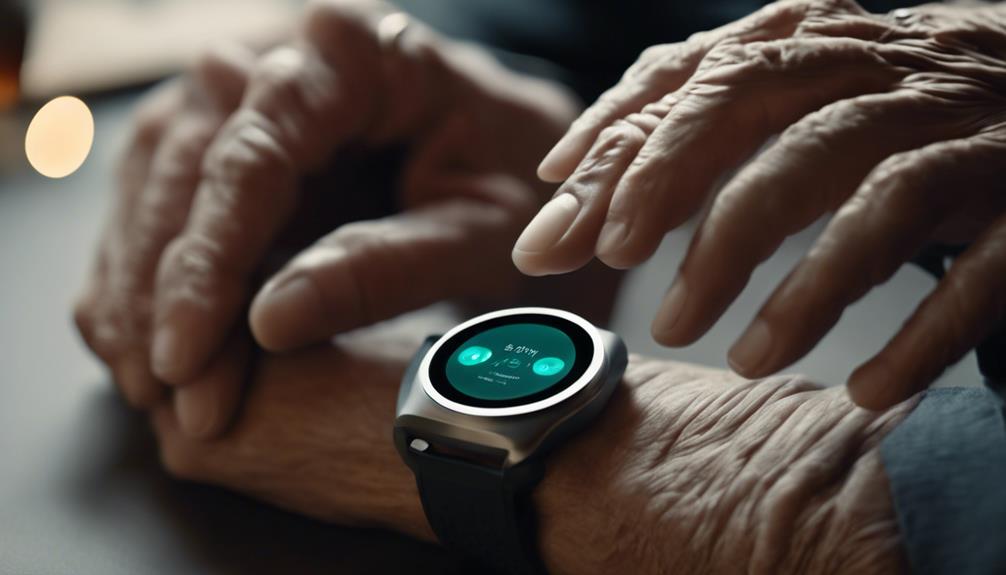
Beyond ease of use, you'll find that battery life and charging are key factors in choosing the right wearable for seniors. When considering wearable devices for seniors, particularly fall detection devices, it's important to prioritize long battery life. This guarantees continuous monitoring and enhances the safety and well-being of older adults.
Many modern wearables offer impressive battery life, with some lasting up to six days on a single charge. This extended longevity reduces the need for frequent charging, allowing seniors to wear their devices without interruption. Uninterrupted use is especially important for maintaining continuous safety features, such as fall detection and health monitoring.
When evaluating wearables, pay close attention to their charging capabilities. Some devices offer convenient wireless charging options, making it easier for seniors to keep their devices powered up. Consider how often the device needs to be charged and how user-friendly the charging process is.
Connectivity and Data Sharing
Connectivity and data sharing features in wearables for seniors have revolutionized how older adults manage their health and stay connected with caregivers. These devices offer seamless data sharing capabilities through Bluetooth and Wi-Fi, enabling you to transmit crucial health information in real-time to your support network.
With these advanced connectivity features, you can easily share data on your heart rate, activity levels, and sleep patterns with healthcare providers and family members. This real-time transmission of information allows for remote monitoring, promoting proactive health management and fostering a sense of security.
Here's how connectivity and data sharing in wearables can benefit you:
- Receive personalized health insights based on your shared data
- Enable quick intervention by caregivers in case of emergencies
- Improve communication with your healthcare team for better care
- Maintain independence while staying connected to your support network
Cost and Insurance Coverage
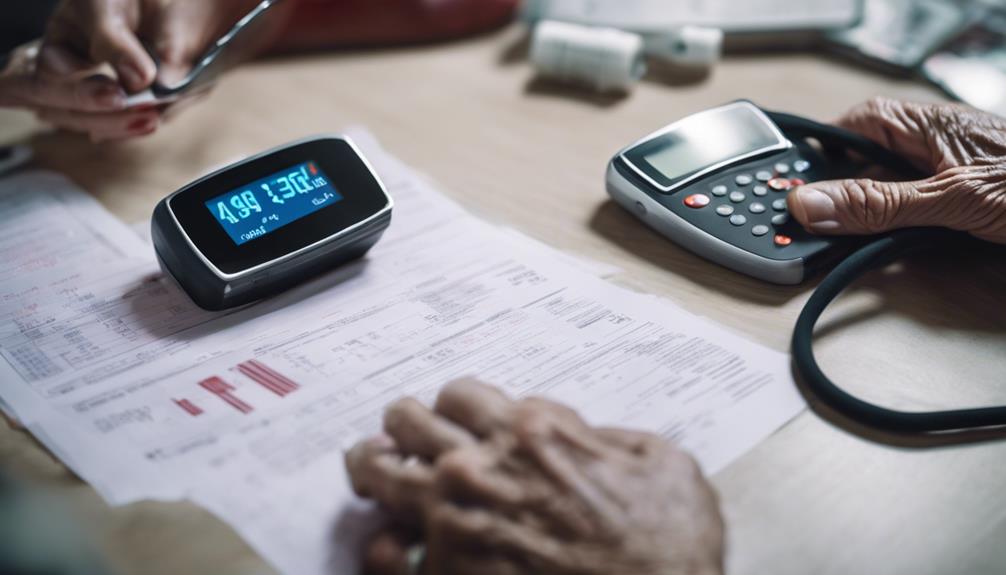
While wearables offer numerous benefits for seniors, it's important to take into account the costs and potential insurance coverage associated with these devices.
Unfortunately, Medicare typically doesn't cover the cost of wearable devices for seniors, which means you may have to pay out-of-pocket. These expenses can range from $50 to $500 or more, depending on the device's features and capabilities.
However, don't lose hope just yet. Some private insurance plans may offer coverage for specific wearable devices, so it's worth checking with your insurance provider to explore your coverage options.
Additionally, certain medical alert systems might be eligible for reimbursement through flexible spending accounts (FSAs) or health savings accounts (HSAs). These options can help offset the cost of your wearable device.
When considering a wearable device, it's essential to research and compare prices, features, and potential insurance coverage. Remember that while the initial cost may seem high, the long-term benefits of improved health monitoring and increased independence could outweigh the expense.
Always consult with your healthcare provider and insurance company to make an informed decision about incorporating wearable technology into your daily life.
Popular Brands and Models
When you're shopping for wearables, you'll find several popular brands and models designed specifically for seniors' needs and preferences.
The CarePredict Tempo Series 3 offers real-time monitoring of essential signs and emergency assistance features, guaranteeing seniors' safety. MGMove by Medical Guardian provides direct communication with professional monitors and includes medication reminders, making it a thorough solution for older adults.
For those looking to improve hearing, the Jabra Enhance Select 200 and Lexie B1 utilize advanced technology to enhance auditory experiences. GetSafe stands out with its affordable pricing and voice-activated help button, coupled with fall detection capabilities.
Here's what these popular wearables offer:
- Enhanced safety through fall detection and emergency assistance
- Improved quality of life with real-time health monitoring
- Better communication via professional monitors and caregiver integration
- Increased independence through hearing enhancement and medication reminders
These devices cater to various aspects of seniors' well-being, from physical safety to cognitive support.
Frequently Asked Questions
What Wearable Technology Is Useful for the Elderly?
You'll find smartwatches, fitness trackers, and medical alert systems particularly useful for seniors. They'll help you monitor health, track activity, get emergency assistance, and remember medications. These devices can enhance your safety and independence.
Which Smartwatch Is Best for Seniors?
The Apple Watch is your best bet for seniors. It's packed with health features, fall detection, and easy messaging. If you need professional monitoring, consider the MGMove. For video calling, the Angel Watch Series R – Assist is great.
What Are the Wearables in Aged Care?
Wearables in aged care are a game-changer! You'll find smartwatches, GPS trackers, fall detection sensors, and medical alert bracelets. They're designed to monitor your health, track activity, remind you about medications, and provide emergency assistance when you need it.
Which Fitbit Is Best for Seniors?
For seniors, you'll find the Fitbit Versa 2 is an excellent choice. It's affordable, comfortable, and packed with useful features like step tracking, heart rate monitoring, and Alexa integration. Its long battery life is also a big plus.
Conclusion
As you explore wearables for seniors, you'll find they offer valuable health monitoring, safety features, and peace of mind.
With 40% of adults aged 65+ owning a wearable device in 2022, it's clear these gadgets are gaining popularity among older adults.
Whether you're looking for fall detection, medication reminders, or essential sign tracking, there's likely a senior-friendly wearable that fits your needs.
Consider trying one to enhance your independence and well-being.