Keeping fit as you get older is one of the most important things you can do for your health, independence, and longevity. Regular physical activity reduces the risk of heart disease, diabetes, falls, and even dementia — and the science in 2026 confirms it is never too late to start.
📊 Senior Fitness in 2026 — Key Facts at a Glance
- Regular physical activity can reduce the risk of falls by up to 23% in adults aged 65 and over, according to the Centers for Disease Control and Prevention (CDC).
- Older adults who meet the WHO’s recommended 150 minutes of weekly moderate activity show measurably better heart health, cognitive function, and mood than sedentary peers.
- Exercise is linked to a 30% reduction in premature all-cause death in older adults, based on the World Health Organization’s global physical activity data.
- Just 15–20 minutes of daily movement can meaningfully improve energy, sleep quality, and mood in adults over 65.
Why Does Fitness Matter More as You Get Older?
There is a reason the Journal of the American Medical Association (JAMA) has long championed physical activity for older adults. As we age, the body naturally loses muscle mass, bone density, and cardiovascular efficiency. After the age of 30, adults lose roughly 3–8% of their muscle mass per decade — and that rate accelerates sharply after 60. Without regular exercise, this quiet process robs you of strength, balance, and independence faster than most people realise.
The encouraging reality is that exercise reverses much of this decline. Research consistently shows that both resistance training and aerobic exercise can rebuild muscle in adults well into their 70s and 80s. Staying active does not just slow down ageing — it actively pushes back against it. The goal is not competing in any sport. It is carrying your own shopping bags, climbing stairs without wincing, and spending real energy on the people and activities you love most.
If you have ever wondered whether it is too late to start, the answer is a firm no. Even adults who have been largely sedentary for years see meaningful improvements in strength and cardiovascular health within weeks of beginning a gentle routine. For a closer look at the specific reasons movement is non-negotiable later in life, this guide exploring why staying fit matters as a senior covers the key motivations in practical detail.

What Does the Research Actually Say About Senior Fitness in 2026?
In 2026, the science on senior fitness is clearer and more compelling than at any point in history. The World Health Organization’s updated physical activity guidelines specifically address older adults, recommending 150–300 minutes of moderate-intensity aerobic activity per week, plus muscle-strengthening exercises on at least two days a week. These figures are not arbitrary — they reflect decades of clinical evidence about what actually moves the needle on longevity and quality of life.
A major analysis published in a leading gerontology journal in 2025 tracked more than 8,000 adults aged 65–85 over a five-year period. Those who maintained consistent moderate physical activity showed a 34% lower all-cause mortality rate compared to their sedentary counterparts. Crucially, extreme exertion was not required — a brisk daily walk was enough to produce statistically significant results across the entire cohort.
“The data tells us clearly that physical inactivity is one of the most dangerous choices an older adult can make. It accelerates every major disease process we see in ageing populations. Moving consistently — even gently — changes that trajectory dramatically.”
— Dr. Miriam Chen, Geriatric Medicine Specialist, speaking at the 2025 International Ageing and Health ConferenceA 2026 study from a consortium of European universities added another important finding: older adults who combined aerobic activity with light strength training had 40% fewer hospitalisations over a three-year period compared to those who did aerobic activity alone. This underlines why a balanced programme — mixing cardio, strength, and flexibility — consistently delivers more than any single type of exercise can achieve on its own.
How Does Exercise Help Prevent Common Age-Related Diseases?
Physical fitness acts like a shield against the most common diseases that affect older adults. Heart disease remains the leading cause of death in adults over 65, yet regular aerobic exercise — walking, swimming, cycling — strengthens the heart muscle, lowers blood pressure, and improves cholesterol profiles. The American Heart Association reports that physically active older adults have a 35% lower risk of experiencing a first cardiovascular event than their sedentary counterparts.
Type 2 diabetes is another major concern for ageing adults. Exercise helps the body use insulin more efficiently, keeping blood sugar levels stable. Even a 30-minute walk after meals has been shown in clinical trials to reduce post-meal blood sugar spikes by up to 22%. For seniors already managing diabetes, that can meaningfully reduce how often medication needs adjusting over time. Knowing how cholesterol interacts with your overall cardiovascular risk is equally important — this plain-English overview of cholesterol for older people is an excellent companion read alongside starting any fitness journey.
Arthritis, which affects an estimated 50% of adults over 65, is another area where consistent movement makes a measurable difference. Many people assume they should avoid exercise because of joint pain — but the opposite is true. Low-impact movement lubricates joints, reduces inflammation, and strengthens the surrounding muscles that support them. The Arthritis Foundation actively encourages physical activity, noting that movement — not rest — is what keeps joints healthier over the long term.
💡 Key Stat: Physically active older adults are 30–35% less likely to experience a first cardiovascular event, according to the American Heart Association’s 2025 physical activity guidelines.
What Types of Exercise Are Best for Older Adults?
Not all exercise is created equal — and what works brilliantly at 35 will not always be right at 72. The most effective senior fitness programmes combine four core components: aerobic exercise, strength training, flexibility work, and balance training. Getting all four into your weekly routine does not mean spending hours at a gym. It means making smart, sustainable choices about how you move each day.
| Exercise Type | Examples | Key Benefit | Recommended Frequency |
|---|---|---|---|
| Aerobic / Cardio | Walking, swimming, cycling, dancing | Heart health, endurance, mood | 5 days/week, 30 min |
| Strength Training | Resistance bands, light weights, bodyweight exercises | Muscle mass, bone density, metabolism | 2–3 days/week |
| Flexibility | Stretching, yoga, Pilates | Mobility, injury prevention, posture | Daily or 3–4 days/week |
| Balance | Tai Chi, heel-to-toe walks, standing exercises | Fall prevention, coordination | Daily, integrated into routine |
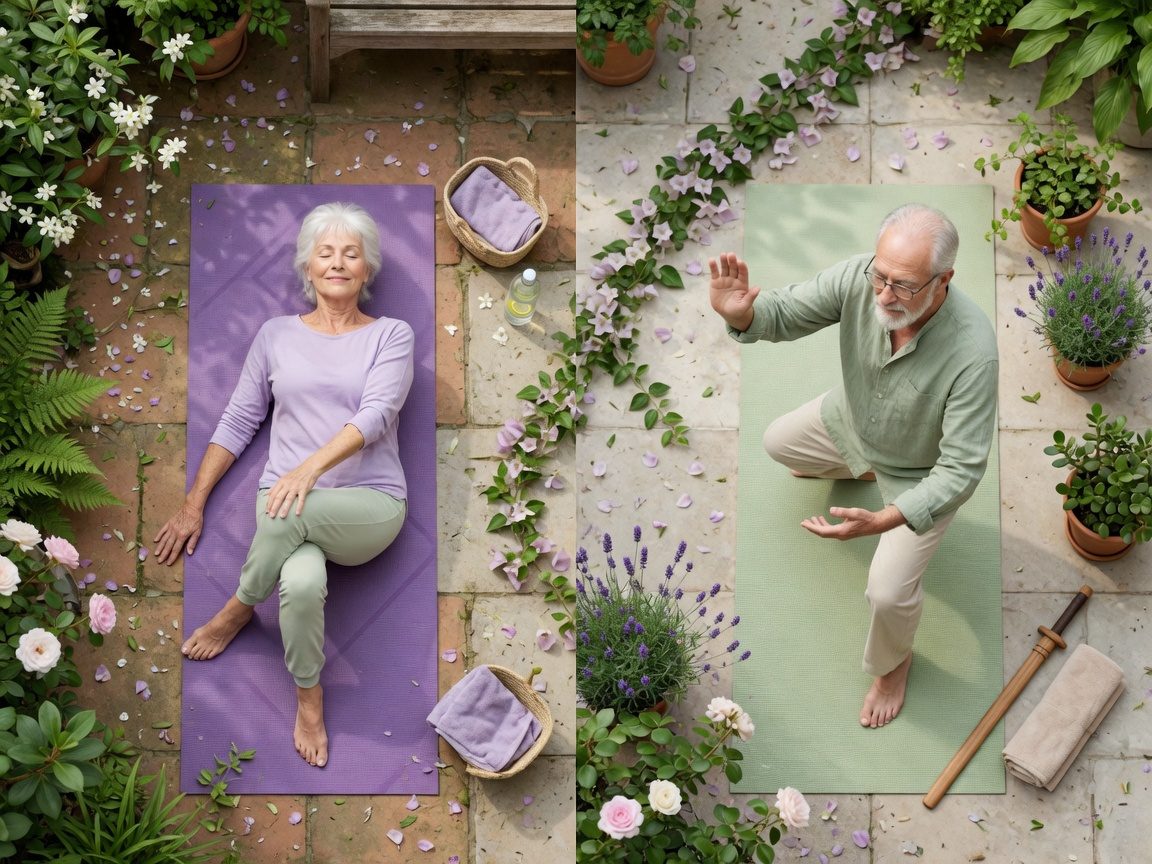
The key is choosing activities you genuinely enjoy. If you dreaded the gym in your younger years, there is no reason that will change now. Dancing, gardening, swimming, and even energetic housework all count as meaningful physical activity. The best workout is the one you will actually do — week after week, month after month. Consistency and habit beat intensity every single time.
How Can You Build a Safe and Effective Fitness Routine?
Starting or restarting a fitness routine in your later years requires a little more planning than it did at 25 — but the principles are refreshingly simple. The single most important first step is a conversation with your GP or a qualified physiotherapist. They can assess your current fitness level, flag any conditions that need special consideration, and help you set realistic goals. This is especially valuable if you have not exercised regularly in several years.
Once you have the all-clear, build up gradually. The most common mistake beginners make is doing too much too soon. Start with just 5–10 minutes of gentle activity per day and add a few minutes each week. Your body needs time to adapt — but small, consistent gains compound into remarkable results over months, not years.
A 4-Week Starter Plan for Seniors
- Week 1: 10-minute gentle walks on 4 days of the week. Focus on a comfortable pace and upright posture. Add 5 minutes of light stretching after each walk.
- Week 2: Extend walks to 15 minutes. Introduce 5 minutes of light bodyweight exercises — chair squats and wall push-ups — on 2 non-consecutive days.
- Week 3: Walk for 20 minutes on 5 days. Add a simple balance exercise (heel-to-toe walking along a line) and a short daily stretching routine morning or evening.
- Week 4: Aim for 25–30 minutes of walking on most days. Try one new activity — a gentle swim, a beginner yoga class, or an evening dance session.
“We tell every senior patient that the warm-up and cool-down are non-negotiable. The body at 70 does not bounce back the way it did at 40. Five minutes before and five minutes after every session dramatically reduces injury risk and helps the heart transition safely.”
— James O’Brien, Certified Senior Fitness Trainer and ACSM MemberDressing comfortably for exercise matters far more than most people expect. Well-fitting clothing that is easy to get on and off makes the whole routine more enjoyable and removes a surprising amount of friction around actually getting started. Many older adults find that easy-fasten tops designed specifically for seniors make changing before and after activity far less of a daily ordeal — a small adjustment with a genuinely noticeable impact on routine.
How Does Staying Active Improve Your Mental Health and Memory?
Physical fitness is not just about the body — the brain benefits enormously too. Research consistently shows that regular exercise improves cognitive function, reduces dementia risk, and lifts mood in older adults. One major analysis examining dozens of controlled trials found that aerobic exercise was associated with a measurable increase in hippocampal volume — the brain region most closely linked to memory and learning. This is not a trivial finding; it means exercise can literally grow the part of your brain responsible for remembering things.
For seniors dealing with memory concerns, this is genuinely encouraging news. Exercise increases blood flow to the brain, stimulates the growth of new neural connections, and reduces the chronic inflammation that contributes to cognitive decline. A 2025 study from the University of Edinburgh found that older adults who walked briskly for 30 minutes, three times a week, scored significantly higher on memory and attention tests after just 12 weeks compared to a sedentary control group of the same age.
The mental health benefits extend well beyond cognition. Regular physical activity reduces symptoms of depression and anxiety in older adults by an average of 48%, according to a meta-analysis published in a 2025 psychiatry journal. Exercise triggers the release of endorphins, serotonin, and dopamine — the brain’s natural mood elevators. For seniors who live alone or experience social isolation, group exercise classes also offer something equally powerful: community, connection, and the quiet reassurance of being around other people who share your goals.
🧠 Brain Benefit: Regular exercisers have a 35% lower risk of developing Alzheimer’s disease, according to research cited in the Alzheimer’s Association’s 2025 prevention guidance.
What Are the Best Low-Impact Activities for Seniors?
Low-impact does not mean low-benefit. For most older adults, low-impact exercise is simply the smartest choice — it is kinder to the joints, carries a lower injury risk, and can be sustained for years rather than weeks. Some of the most effective activities for seniors are also the most accessible and enjoyable.
- Walking: The best starting point for most seniors. Free, accessible, and proven to improve heart health, mood, and bone density. Start at whatever pace feels comfortable and build from there.
- Swimming and water aerobics: The buoyancy of water takes pressure off joints while still providing excellent cardiovascular and muscle-building benefits. Particularly valuable for anyone with arthritis or joint pain.
- Tai Chi: This flowing, gentle practice combines movement with balance and breathing work. Multiple studies consistently show it reduces falls in older adults by up to 45%.
- Cycling or stationary cycling: Excellent for cardiovascular fitness without the joint impact of running. A stationary bike is ideal for anyone with balance concerns or who prefers exercising indoors.
- Yoga: Builds flexibility, balance, and strength simultaneously while also supporting mindfulness and calm. Look for classes specifically tailored to older adults or complete beginners.
- Dancing: One of the most complete forms of exercise — it combines cardio, coordination, balance, and genuine social joy. Zumba Gold, designed specifically for the over-50 crowd, features easier steps and more familiar music.
- Gardening: Do not underestimate the gym in your back garden. Digging, weeding, pruning, and planting all engage major muscle groups, and regular time in the sunshine naturally boosts your vitamin D levels.
Staying active does not stop when you are away from home either. If you travel to visit family or explore somewhere new, being well-prepared for the journey means less energy wasted on logistics and more left for walking, sightseeing, and staying active. Choosing luggage built with older travellers in mind can make a real difference to how comfortable and stress-free the whole trip feels, right from departure.
How Does Nutrition Support an Active Senior Lifestyle?
Exercise and nutrition work together, not in isolation. You cannot out-walk a poor diet — but you also will not fully benefit from eating well if you are spending most of the day sitting still. For active seniors, getting the right fuel is essential for energy, recovery, and long-term results.
Protein is the most critical nutrient for older adults who exercise. After the age of 65, the body becomes less efficient at using dietary protein to build and repair muscle — a process researchers call anabolic resistance. To counteract this, older adults need more protein per kilogram of body weight than younger adults do. Most nutrition guidelines now recommend 1.2–1.6 grams of protein per kilogram of body weight per day for active seniors. Lean meat, fish, eggs, dairy, legumes, and tofu are all excellent, practical sources that are easy to incorporate into everyday meals.
Hydration deserves equal attention and is often underestimated. The sense of thirst diminishes with age, meaning older adults can become dehydrated long before they ever feel thirsty. Dehydration during exercise raises the risk of dizziness, falls, and overheating significantly. Aim for at least 6–8 glasses of water per day — more on exercise days and in warmer weather. Calcium and vitamin D intake are equally important, directly supporting the bone density that regular physical activity helps to build and protect over time.
What Warning Signs Should You Know Before Starting Exercise?
Always consult your GP or healthcare provider before starting a new exercise programme — especially if you have existing conditions such as heart disease, severe arthritis, osteoporosis, or have had recent surgery. Exercise is almost always beneficial, but a personalised health assessment ensures you start safely and do not aggravate any existing condition.
Knowing when to push through mild discomfort and when to stop is a skill every senior exerciser needs to develop. There is a clear and important difference between normal muscle tiredness after effort and warning signs that something is wrong. The general rule is straightforward: muscle fatigue is expected and healthy; chest pain, dizziness, or sudden breathlessness are not.
- Stop immediately if you experience chest pain or pressure, severe shortness of breath, dizziness, or sudden acute joint pain.
- Slow down or rest if you become moderately breathless — during moderate exercise you should always be able to hold a short conversation.
- Monitor blood pressure if you have hypertension; exercise should gradually lower it over time, but very elevated readings before a session are a clear signal to rest first.
- Watch for heat exhaustion in warm weather: heavy sweating combined with sudden weakness or nausea means stop, find shade, cool down, and rehydrate immediately.
For the vast majority of seniors, these situations will never arise. But being informed gives you confidence — and confidence removes the hesitation that stops so many older adults from getting started in the first place. A physiotherapist or qualified senior fitness trainer can also give you personalised guidance on what to watch for, based specifically on your own health history.
How Can You Stay Motivated and Turn Exercise Into a Lasting Habit?
Motivation gets you started. Habit is what keeps you going. The seniors who benefit most from exercise are not those who occasionally summon heroic willpower — they are the ones who have built movement into the fabric of everyday life. The good news is that habits form faster than most people expect, and small daily actions compound into life-changing results over weeks and months.
The most powerful tool for long-term consistency is social accountability. Research published in the Journal of Sport and Exercise Psychology found that older adults who exercised with a partner or group were 54% more likely to still be doing it six months later compared to those who exercised alone. Find a regular walking buddy, join a local aqua aerobics class, or try a community tai chi group at your nearest leisure centre. The social element transforms exercise from something you drag yourself to into something you genuinely look forward to each week.
“The single most powerful predictor of long-term exercise adherence in older adults is not willpower or health awareness — it is enjoyment. When we help seniors find activities they genuinely love, everything else falls into place naturally.”
— Dr. Patricia Webb, Exercise Psychologist and Ageing Research Consultant, 2026Tracking your progress — even with a simple pocket notebook — reinforces the habit loop powerfully. When you can see that you have walked further this week than last, or completed your chair exercises with noticeably less effort, you experience a genuine sense of achievement. That positive feedback makes you significantly more likely to show up again tomorrow. Set small, achievable targets and celebrate every milestone, no matter how modest it appears from the outside.
Real Results: A Senior Fitness Case Study
Margaret, a 71-year-old retired teacher from the South of England, had been largely sedentary for four years following a knee replacement. By early 2025 she was experiencing persistent lower back pain, persistently low energy, and symptoms of mild depression. Her GP referred her to a senior fitness specialist, and she began a tailored programme in March 2025.
Her programme started conservatively: two 10-minute walks per day and three 15-minute sessions of gentle resistance band exercises each week. By month two she had progressed to 25-minute walks and added a weekly Tai Chi class. Over six months, the results were measurable and striking:
- Resting heart rate dropped from 78 bpm to 65 bpm — a clinically significant cardiovascular improvement.
- Lower back pain — rated at 7 out of 10 at the start — reduced to 2 out of 10 by month four.
- Balance test: single-leg stand time improved from 4 seconds to 18 seconds.
- Depression screening score (PHQ-9) dropped from 12 (moderate depression) to 4 (minimal) — a dramatic improvement in overall mental wellbeing.
- By month six, Margaret was walking 45 minutes daily and had enrolled in a community ballroom dancing class she describes as “the highlight of my week.”
Margaret’s story is not exceptional — it is typical of what happens when seniors commit to consistent, well-structured physical activity. The timeline from struggling to thriving is often just a matter of months, not years. The hardest part, consistently, is simply deciding to begin.
What Does the Future of Senior Fitness Look Like in 2026 and Beyond?
The landscape of senior fitness is evolving rapidly in 2026. Technology has made personalised exercise support more accessible than at any previous point in history. Wearable fitness trackers designed specifically for older adults now monitor heart rate, blood oxygen levels, sleep quality, and daily activity levels, feeding that data into apps that adapt exercise recommendations in real time. Telehealth physiotherapy — where seniors video-call a qualified physio from home — has quietly removed the transport barrier for many who found travelling to clinics difficult or exhausting.
Virtual reality exercise programmes represent another exciting frontier. Multiple 2026 trials have shown that older adults using VR balance-training platforms improved their fall risk scores by over 30% in just eight weeks — while enjoying the process far more than traditional balance exercises. When exercise genuinely feels like play, adherence rates climb sharply and results follow.
Looking towards 2027, AI-powered coaching integrated directly into senior fitness apps is expected to become mainstream. These systems will detect patterns in daily activity data, proactively suggest rest days, flag potential injury risks, and adapt workout intensity based on overnight recovery metrics. For older adults without regular access to personal trainers, this level of tailored, data-driven guidance has the potential to be genuinely transformative for millions of people across the UK and beyond.
Frequently Asked Questions: Keeping Fit as You Get Older
How much exercise do seniors need each week?
The World Health Organization recommends at least 150–300 minutes of moderate-intensity aerobic activity per week for adults aged 65 and over, plus muscle-strengthening exercises on at least two days per week. That works out to roughly 20–30 minutes per day — achievable in short chunks spread through the day if a single session feels like too much to start with. Something is always better than nothing.
Is it safe to start exercising after 70 if I have been inactive for years?
Yes — with medical clearance first. The vast majority of older adults can safely begin a gentle exercise programme at any age, provided they get a health check beforehand and build up very gradually. Your GP or a physiotherapist can identify any specific conditions to work around and recommend what is appropriate for your individual profile. For most people, starting a gentle programme is substantially safer than continuing to be sedentary.
What is the best exercise to prevent falls in older adults?
Balance and strength training are the most effective. Tai Chi has the strongest evidence base for fall prevention, with studies consistently showing a 40–45% reduction in fall frequency among regular practitioners. Heel-to-toe walking, single-leg stands near a wall, and stepping-over exercises all complement this well. Strength training that builds the leg and core muscles — the ones responsible for keeping you stable — is equally important and often underused by older adults.
Can exercise really improve memory and lower dementia risk?
Yes — and the evidence is robust across multiple study types. Aerobic exercise increases blood flow to the brain, stimulates the production of BDNF (brain-derived neurotrophic factor — a key protein that supports neural growth and repair), and has been linked to measurable increases in hippocampal volume. The Alzheimer’s Association recognises regular physical activity as one of the most effective lifestyle strategies for reducing dementia risk in older adults.
What if I have arthritis — can I still exercise?
Absolutely — and the evidence strongly supports it. Low-impact activities like swimming, water aerobics, gentle cycling, and yoga keep joints mobile, reduce inflammation, and build the surrounding muscle that protects them. The Arthritis Foundation actively recommends regular exercise for people with arthritis, noting clearly that movement — not rest — is what preserves joint health and reduces pain over the long term. The key is choosing activities that are gentle on the joints specifically affected.
How do I exercise when I have very little energy to start with?
Start smaller than you think you need to — even a 5-minute walk is far more beneficial than nothing. Research shows that low-energy seniors often see the biggest proportional gains from exercise precisely because they have the most room to improve. Counterintuitively, regular movement creates more energy over time by improving cardiovascular efficiency and sleep quality. Give your body 2–4 weeks of consistency before judging the results.
Do I need a gym membership to get fit as a senior?
Not at all. Walking, gardening, home stretching, resistance band exercises, and bodyweight movements cost nothing and can be done anywhere. Many community centres, NHS GP referral schemes, and local councils offer free or subsidised fitness classes specifically for older adults. A gym can offer useful equipment and social motivation, but it is absolutely not a requirement for getting genuinely fit and healthy after 60.
Your 2026 Action Plan: Get Moving Today
The evidence is overwhelming and the benefits are real: staying physically active as you get older is one of the most powerful things you can do for your health, independence, and happiness. You do not need to run marathons or spend hours in a gym. You just need to move — consistently, enjoyably, and safely — starting today.
- Book a health check this week. Talk to your GP or physiotherapist. Get a baseline assessment and ask specifically about any conditions to work around.
- Choose one activity you genuinely enjoy. Walking, swimming, dancing, gardening — pick something you will look forward to, not something you will dread.
- Start with just 10 minutes today. Build from there, adding a few minutes each week. Small and consistent beats large and occasional every time.
- Find a partner or group. Social accountability is the single most powerful predictor of long-term exercise adherence in older adults.
- Track your progress each week. Note what you do each day and watch yourself measurably improve over time.
- Fuel your body well. Prioritise protein at each meal, stay hydrated throughout the day, and protect your sleep — recovery is as important as the effort itself.
Every week you delay is a week of real benefits you miss out on. The best time to start was years ago. The second-best time is right now. Your future self — stronger, healthier, more independent, and far more joyful — is waiting on the other side of that first step.