Health monitoring tech empowers you to take charge of your well-being. From blood pressure cuffs to wearable fitness trackers, these devices collect real-time data on your essential signs, activity levels, and sleep patterns. Advanced analytics tools interpret this information, helping you and your healthcare providers make informed decisions. Wearables offer continuous tracking, while remote monitoring systems allow for seamless data transmission to medical professionals. As the market grows, so do concerns about data privacy and security. Despite challenges, health monitoring tech promises improved preventative care, shorter hospital stays, and better management of chronic conditions. The future holds even more exciting innovations in this rapidly evolving field.
Types of Health Monitoring Devices
What types of health monitoring devices are available to help you keep track of your essential signs and overall well-being?
You'll find a wide array of options designed to monitor various aspects of your health. Blood pressure cuffs and glucometers are essential for managing hypertension and diabetes, respectively. Pulse oximeters measure your blood oxygen levels, while ECG/stethoscope combos provide detailed heart readings. Wearable devices, such as activity trackers, offer continuous monitoring of your essential signs, sleep patterns, and daily activity levels.
Remote patient monitoring devices have revolutionized healthcare by allowing real-time data transmission to your healthcare providers. This technology is particularly beneficial for those with chronic conditions, as it enables personalized care and early detection of potential issues. Thermometers and scales, though important, play significant roles in tracking your temperature and weight changes.
These health monitoring devices collectively contribute to improved health outcomes by empowering you to take an active role in managing your well-being.
They provide valuable patient data that can help your healthcare team make informed decisions about your treatment plan, ultimately leading to more effective and personalized care.
Wearable Technology Advancements
Wearable technology has revolutionized health monitoring, offering you unprecedented access to real-time data about your body's essential signs and overall wellness. These devices, including smartwatches, fitness trackers, and medical-grade wearables, have advanced greatly in recent years.
You can now benefit from remote monitoring of essential signs, activity levels, and sleep patterns with greater precision than ever before. Wearable technology allows for continuous tracking of health metrics, providing you with valuable insights into your well-being. Some devices even offer ECG readings, enabling early detection of potential heart issues.
Advancements in wearable technology have led to improved battery life and enhanced connectivity, ensuring seamless data transmission to your smartphone or healthcare provider. This real-time monitoring capability means you can receive prompt notifications about any irregularities in your health status.
The rapid growth of the health technology market, projected to reach $87 billion by 2023, indicates the increasing importance of wearable devices in personal healthcare.
As these technologies continue to evolve, you can expect even more advanced and user-friendly options for monitoring and managing your health in the future.
Data Collection and Analysis
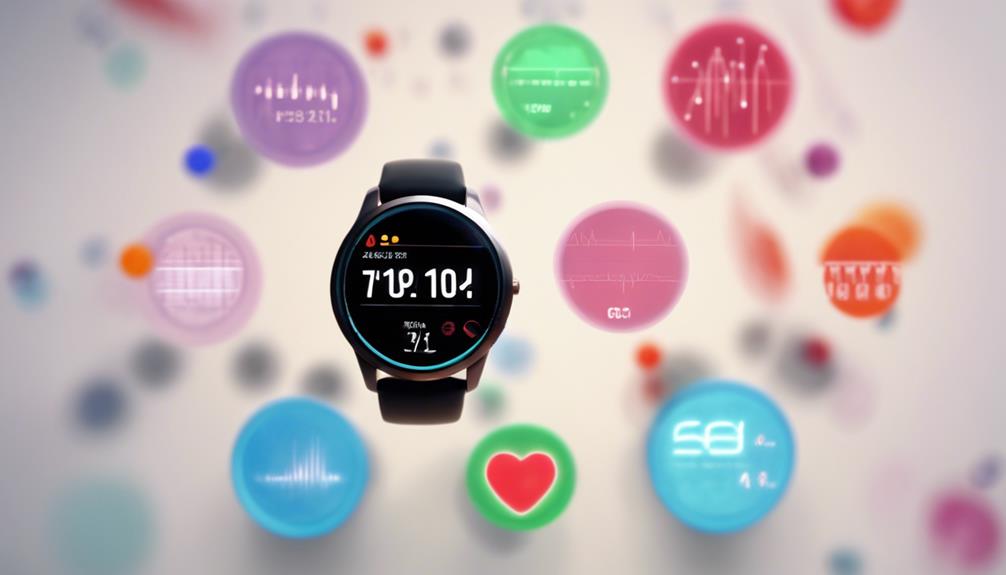
Countless health monitoring devices collect a wealth of data that's then meticulously analyzed to provide you with actionable insights about your well-being. From blood pressure monitors to activity trackers, these devices gather information about your essential signs, physical activity, sleep patterns, and more. This thorough data collection enables a holistic approach to managing your health.
If you're living with chronic conditions like diabetes or heart disease, health monitoring tech can be particularly beneficial. Real-time data from remote patient monitoring devices is transmitted directly to your healthcare providers, allowing for timely interventions and personalized care. This continuous flow of information helps you and your medical team track your condition more effectively and make informed decisions about your treatment.
The true power of health monitoring lies in data analysis. Advanced analytics tools process the collected information to identify trends, anomalies, and patterns in your health data. These insights can guide your healthcare decisions and improve your overall outcomes.
Privacy and Security Concerns
While health monitoring tech offers invaluable insights, it's important to contemplate the flip side: the significant privacy and security concerns that come with collecting and storing sensitive health data. The healthcare industry faces substantial challenges, with 74% of organizations experiencing data breaches in the past year. These breaches can have severe consequences, costing up to $7.13 million on average.
Privacy risks, including unauthorized access to patient data, affect 60% of healthcare organizations. To combat these threats, it's vital to implement robust security measures such as encryption, access controls, and regular audits. Compliance with regulations like HIPAA is also crucial, with 70% of organizations prioritizing this aspect.
| Concern | Impact |
|---|---|
| Data Breaches | 74% of organizations affected |
| Privacy Risks | 60% face unauthorized access |
| Compliance | 70% prioritize regulations |
| Financial Cost | $7.13 million average per breach |
As you consider health monitoring tech, be aware of these privacy and security concerns. Make sure that any devices or services you use employ strong data security practices to protect your sensitive health information from cyber threats and potential breaches.
Integration With Healthcare Systems

Seamless integration of health monitoring tech with existing healthcare systems is revolutionizing patient care and data management. This integration allows for real-time data transmission from health monitoring devices to healthcare providers, enabling them to keep a close eye on your health conditions remotely. You'll benefit from more timely interventions and personalized care as your healthcare team can access and review your patient data from anywhere.
The seamless integration guarantees that the data captured by your health monitoring devices is accurate and reliable, leading to improved patient outcomes. You'll experience enhanced care coordination among your healthcare providers, as they can easily share and analyze your health information. This collaborative approach results in better management of your health and more effective treatment plans.
Data integration with electronic health records (EHRs) streamlines the process of incorporating your health monitoring data into your medical records. This all-encompassing view of your health allows for more informed decision-making and care planning.
Remote Patient Monitoring Benefits
Building on the integration of health monitoring tech with healthcare systems, remote patient monitoring offers a variety of benefits that can greatly enhance your health outcomes and quality of care. This innovative approach to healthcare allows you to manage chronic conditions more effectively, reducing hospitalizations and ER visits.
With remote patient monitoring, you'll experience:
- Improved preventative management of your health
- Shorter hospital stays when necessary
- Enhanced access to healthcare, especially in rural areas
- Reduced risk of illness exposure for both you and healthcare workers
Remote patient monitoring empowers you to take an active role in your health management. By continuously tracking vital signs and symptoms from the comfort of your home, you're providing your healthcare team with valuable data to make informed decisions about your care. This proactive approach is particularly beneficial for those with chronic conditions, as it allows for early intervention and personalized treatment adjustments.
During public health challenges, remote patient monitoring becomes even more essential. It minimizes unnecessary in-person visits, protecting both patients and healthcare workers from potential exposure to illnesses. By embracing this technology, you're not only improving your own health outcomes but also contributing to a more efficient and resilient healthcare system.
Artificial Intelligence in Health Tracking

Artificial intelligence is revolutionizing health tracking by harnessing five key capabilities that'll transform how you monitor and manage your well-being. First, AI algorithms analyze vast amounts of health data, providing you with valuable insights and predictions.
Second, these intelligent systems can detect patterns, anomalies, and trends in your health indicators, enabling personalized care tailored to your unique needs.
Third, machine learning algorithms in health tracking continuously improve their performance by learning from your data inputs and outcomes. This means the more you use them, the more accurate and helpful they become.
Fourth, AI-powered health tracking can assist in early disease detection, risk assessment, and treatment optimization, potentially catching health issues before they become serious problems.
Lastly, AI systems can integrate data from various sources, including your wearables, medical records, and lifestyle inputs, to create a thorough health profile. This holistic approach gives you and your healthcare providers a more complete picture of your overall well-being.
Challenges in Widespread Adoption
Despite the promising advancements in health monitoring tech, you'll find several hurdles standing in the way of its widespread adoption. One of the primary challenges you'll encounter is interoperability issues. The lack of standardized guidelines often leads to compatibility problems among different health monitoring devices, making it difficult for you to integrate various technologies seamlessly.
Another significant obstacle you'll face is the challenge of differentiating individuals in multiparticipant households. This complicates the process of providing personalized health monitoring, potentially compromising the accuracy and effectiveness of the technology.
Data security and privacy concerns also play an essential role in hindering widespread adoption. You might be hesitant to embrace health monitoring tech due to:
- Fears about unauthorized access to your personal health data
- Concerns about how your information might be used or shared
- Uncertainty regarding the long-term storage and protection of your data
- Worries about potential breaches or hacks compromising your privacy
Additionally, you'll need to take into account the ethical implications of constantly monitoring personal health data. These ethical considerations add another layer of complexity to the adoption of health monitoring tech, requiring careful thought and robust safeguards to ensure your privacy and well-being are protected.
Future of Health Monitoring Tech
You'll find that health monitoring tech's future is teeming with innovative advancements, from sophisticated wearables to cutting-edge implantable devices. Wearable devices and sensors are becoming more advanced, offering real-time feedback for prompt interventions. These technologies will allow you to track your health metrics more accurately and efficiently than ever before.
Antenna designs, including implantable antennas, are playing an essential role in developing remote health monitoring systems. You'll see improvements in connectivity and data transmission, ensuring that your health information is always up-to-date and accessible to healthcare providers.
Exciting developments like wireless Capsule Endoscopy (WCE) are revolutionizing non-invasive imaging of your gastrointestinal tract. These advancements in imaging techniques integrated into remote health monitoring devices will enhance diagnostic accuracy and improve patient outcomes.
As health monitoring tech progresses, you'll experience improved portability, connectivity, comfort, and convenience. These enhancements will make it easier for you to stay on top of your health and receive better healthcare services.
The future of health monitoring technology is set to transform how you manage your well-being, offering personalized and proactive care like never before.
Frequently Asked Questions
What Are the Technologies Used in Health Monitoring System?
You'll find health monitoring systems use various technologies. They include sensors, wearable devices, mobile apps, antennas for connectivity, advanced imaging techniques, and sensor systems. These work together to collect real-time data and provide detailed health information.
How to Make Remote Monitoring Tech Part of Everyday Health Care?
Like a watchful guardian, you can integrate remote monitoring tech into daily care by embracing wearable devices, setting up regular data transmissions, and collaborating with your healthcare provider. You'll create a seamless health ecosystem that's always watching over you.
What Is the RPM Program in Healthcare?
The RPM program in healthcare allows you to monitor your health remotely. It uses digital devices to collect and send your health data to healthcare providers. You'll receive ongoing care without frequent in-person visits, improving your overall health management.
What Is an Example of an RPM Device?
Imagine your health as a garden; RPM devices are the tools to nurture it. You've got blood pressure cuffs, glucometers, pulse oximeters, ECG+stethoscope combos, and wearables. They're your remote health allies, keeping you connected with your healthcare team.
Conclusion
You've seen how health monitoring tech is revolutionizing healthcare. It's empowering you to take control of your well-being.
Consider Sarah, who discovered an irregular heartbeat through her smartwatch, leading to early treatment of a heart condition.
As these devices become more sophisticated and integrated, they'll play an even bigger role in preventive care.
While challenges remain, the future of health monitoring is bright, promising a more proactive approach to your health.
Related guides: Discover Home Automation Tech · Learn About Tech Training Programs · 7 Smart Luggage Picks That Tech‑Savvy Seniors Will Love