Short answer: for most older adults, the Paleo diet is more trouble than it’s worth. It cuts out dairy, legumes, and whole grains — foods seniors genuinely need for strong bones and a healthy heart. A balanced, calorie-aware approach with regular exercise gets better results with none of the trade-offs.
- The Paleo diet bans the foods seniors need most — dairy, legumes, and whole grains each support healthy aging in ways the evidence strongly backs.
- Weight loss on Paleo comes from eating less, full stop — any calorie-reducing eating plan produces similar results; there is no special prehistoric mechanism at work.
- After 60, your body needs more calcium, fiber, and plant protein — not less. The nutrients Paleo cuts become more critical as you age, not less.
- A simple, sustainable five-step approach beats restriction every time — no food groups banned, no cave-person theory required.
What Is the Paleo Diet, and Why Does It Keep Coming Up?
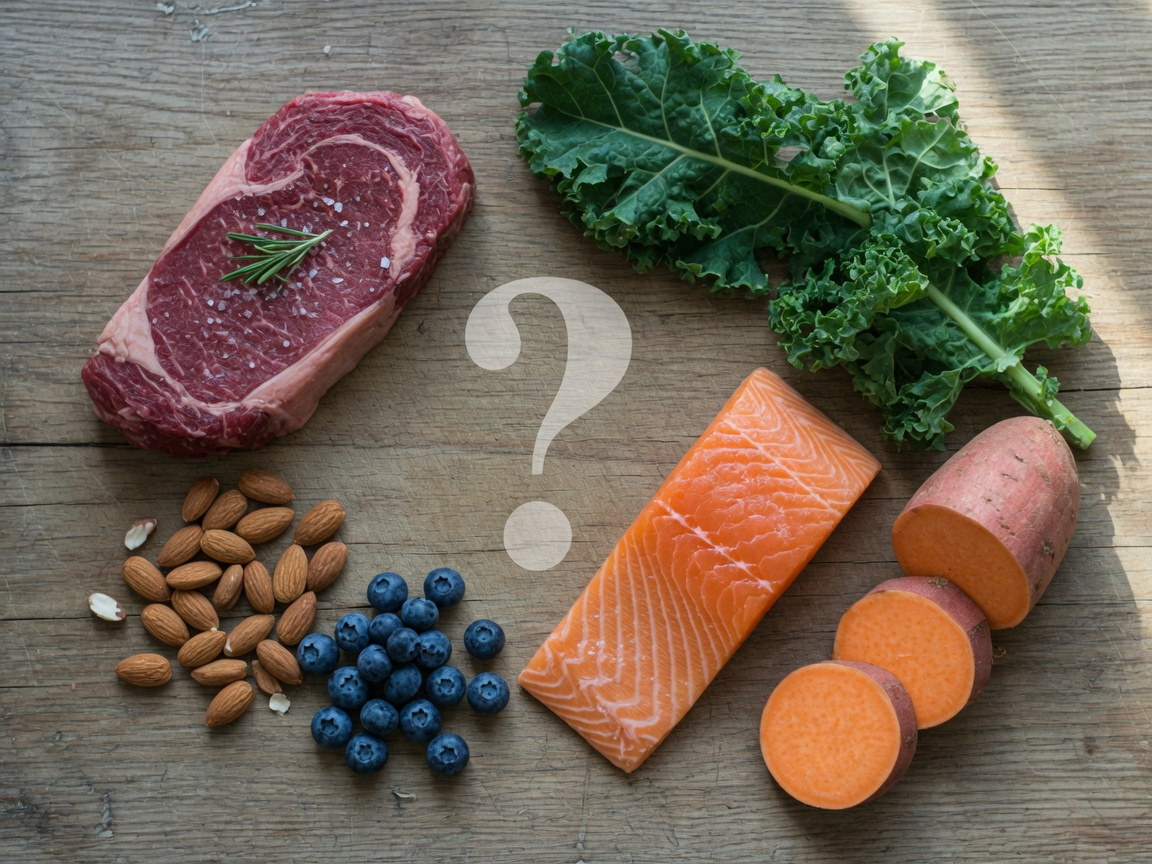
The Paleo diet — short for Paleolithic — is built on a single idea: eat the way our Stone Age ancestors did. That means lean meats, fish, eggs, fruits, vegetables, nuts, and seeds. It also means cutting out entire food groups that arrived with agriculture: grains, legumes, dairy, refined sugar, and most processed foods.
The diet was popularized by Dr. Loren Cordain, a Colorado State University professor who published The Paleo Diet in the early 2000s. His core argument is that the human body has not adapted to the foods introduced by farming roughly 10,000 years ago. According to Cordain, grains, beans, and dairy are biologically “foreign” and responsible for modern chronic diseases including obesity, diabetes, and heart disease. It’s a tidy, compelling theory — and it sells a great many books.
Around 45 million Americans start a new diet each year, according to research on American dieting behavior. Paleo consistently ranks among the most-searched eating plans online and has attracted millions of devoted followers worldwide with its own cookbooks, podcasts, and community forums. But popularity has never been the same thing as proven science — and that distinction matters enormously when you’re over 60 and your body’s nutritional needs are very specific.
Does the “Eat Like a Caveman” Theory Actually Hold Up?
Here’s the central problem with the Paleo premise. The argument rests on the idea that human evolution essentially froze when agriculture began — that 10,000 or more years of grain-eating has left us fundamentally unchanged. That is simply not how evolution works, and researchers have been pointing this out for years without making much of a dent in the diet’s popularity.
Author and researcher Laura Miller has noted that humans, like most species, evolve continuously, and that many adaptations happen surprisingly quickly in evolutionary terms. Consider: humans have been grinding and consuming grains for close to 40,000 years. That is an extraordinarily long time to not adapt to something. Populations across East Asia, the Mediterranean, and South Asia have built entire culinary traditions — and long, healthy lives — around the very foods Paleo forbids. Some of the world’s longest-lived populations eat rice, legumes, and fermented dairy every single day.
Genetics research supports this picture. Human populations have undergone significant metabolic adaptations over the past 10,000 years alone. Lactase persistence — the ability to digest milk sugar into adulthood — evolved independently in multiple populations that relied on dairy farming. The number of amylase gene copies, which help digest starch, is notably higher in populations with long grain-eating histories. Our bodies have adapted. The Paleo premise ignores the evidence that says so.
There’s also the cherry-picking problem. The Paleo diet includes foods that were nowhere near a hunter-gatherer’s menu. Brussels sprouts, for example, were first written about around 1587 — roughly the time of Mary Queen of Scots’ execution. That’s a far cry from the Paleolithic era, and it illustrates how selectively the diet applies its “ancestral” credentials when choosing what to include.
The evolutionary basis for the Paleo diet is contested by mainstream nutrition science. Human populations have demonstrably adapted to grain and dairy consumption over tens of thousands of years. The “caveman” narrative is a marketing frame, not settled biology — and for seniors, it’s a frame that can cause real nutritional harm.
Why Do Fad Diets Keep Finding New Fans Every Few Years?
Every decade delivers a new diet with an irresistible story. Atkins gave us low-carb in the nineties. South Beach refined it in the early 2000s. Keto brought it back with extra bacon. Paleo wrapped it all in a prehistoric narrative. The pattern is remarkably consistent — and remarkably successful as a marketing formula, regardless of what the underlying science actually shows.
The appeal is understandable. Restrictive diets offer clear rules. You don’t have to think about calorie counts, nutritional balance, or portion sizes — just consult the approved foods list. Behavioral research suggests that rule-based frameworks can feel easier to follow in the short term than flexible, judgment-based approaches. That clarity is genuinely appealing, especially when you’ve tried and failed with more moderate plans before.
But here is the uncomfortable truth: any eating plan that meaningfully limits what you consume will produce weight loss — because you are eating fewer calories. It is not the absence of grains or legumes doing the work. It is the calorie deficit. Controlled clinical studies comparing high-carbohydrate and low-carbohydrate diets have repeatedly shown similar weight loss results when total calorie intake is matched. The particular food group you eliminate matters far less than the diet industry suggests.
The deeper problem is sustainability. Restrictive diets are genuinely hard to maintain across social events, travel, family meals, and the ordinary variety of life. When the rules eventually break — and for most people, they do — the weight returns quickly. This cycle is thoroughly documented in long-term weight management research. It’s demoralizing, and it reliably sets people up to reach for the next compelling diet story that comes along.
Why Should Older Adults Be Especially Cautious About Going Paleo?
The nutritional risks of the Paleo diet are real for anyone. But they are sharper for adults over 60. Your body’s needs change in specific, well-documented ways as you age — and the foods Paleo eliminates are precisely the ones that support those changing needs. This isn’t a minor inconvenience. It’s a meaningful mismatch between what the diet prescribes and what healthy aging actually requires.
Bone density is the biggest concern. Women over 50 need 1,200 milligrams of calcium daily — a target that is genuinely difficult to hit without dairy products. Milk, yogurt, and cheese are not villains. For older adults, they are among the most valuable foods available. Paleo bans all of them. For anyone already at elevated risk for osteoporosis, cutting the most efficient dietary calcium source in favor of a theory about prehistoric eating is a significant gamble with long-term physical consequences.
Sarcopenia — the age-related loss of muscle mass — is another serious issue. After age 60, adults can lose a meaningful percentage of lean muscle tissue each decade without deliberate resistance training and adequate protein. While Paleo does permit meat and fish, it eliminates legumes — lentils, black beans, chickpeas — which are among the most cost-effective and nutrient-dense protein sources available, and which come packaged with fiber, folate, and heart-protective compounds that meat simply doesn’t provide.
Gut health changes with age too. The digestive system becomes less efficient, and maintaining healthy gut bacteria requires consistent dietary fiber. Whole grains and legumes are two of the most reliable fiber sources in any balanced diet. Remove them and you remove a significant portion of your gut’s daily fuel. The growing body of research on gut microbiome health links it to immunity, mood regulation, and systemic inflammation — none of which are peripheral concerns for an older adult.
Which Paleo-Banned Foods Do Seniors Actually Need Most?
It helps to be specific about what the Paleo diet eliminates — and why each food group matters for older adults in particular. The table below summarizes the key nutritional trade-offs seniors face when they follow this eating plan.
| Food Group | Paleo Status | Why Seniors Need It | Key Nutrients Lost |
|---|---|---|---|
| Dairy (milk, yogurt, cheese) | ❌ Banned | Primary dietary calcium source; supports bone density and reduces fracture risk after 50 | Calcium, Vitamin D, Protein, B12 |
| Legumes (lentils, black beans, chickpeas) | ❌ Banned | Affordable plant protein; exceptional fiber content supports gut health and cholesterol management | Fiber, Folate, Iron, Plant Protein, Potassium |
| Whole Grains (oats, brown rice, whole wheat) | ❌ Banned | Soluble fiber lowers cholesterol; B vitamins support neurological and metabolic health | Fiber, B Vitamins, Magnesium, Iron, Selenium |
| Heart-Healthy Oils (olive oil, canola) | ⚠️ Restricted | Monounsaturated fats support cardiovascular health and carry anti-inflammatory properties | Omega-3s, Vitamin E, Unsaturated Fatty Acids |
Low-fat cottage cheese and low-fat Greek yogurt — both on Paleo’s banned list — are particularly valuable for older adults managing weight while protecting muscle. They deliver high protein and calcium in a moderate-calorie package. Cutting them to honor a dietary philosophy grounded in prehistoric speculation makes very little practical sense for a 65-year-old trying to stay strong and keep their bones intact.
The broader point: nutrition science has spent decades establishing which foods support healthy aging. The answer isn’t a short list of meats and seeds. It’s a varied diet that includes plenty of vegetables, adequate protein from multiple sources, fiber-rich carbohydrates, quality fats, and the dairy that underpins bone health. The Paleo diet replaces this carefully built evidence base with a story about cave people — and for older adults, that’s a story worth being skeptical of.
What Are Nutrition Experts Actually Saying About Paleo in 2026?
The mainstream nutrition science community has been skeptical of the Paleo diet since it rose to prominence, and that skepticism has not softened in 2026. Major dietetics organizations have consistently noted that the diet lacks long-term clinical evidence for safety and efficacy in older populations. Short-term weight loss studies exist — but they show results comparable to other calorie-restricting approaches, without systematically tracking the specific nutritional risks of eliminating dairy and legumes over months or years.
The financial dimension is also worth considering plainly. Paleo-compliant eating — with its emphasis on grass-fed meats, wild-caught fish, and specialty nut varieties — runs significantly more expensive than a balanced diet built around whole grains, legumes, seasonal vegetables, and modest amounts of quality protein. For older adults on fixed incomes, finding genuinely affordable routes to staying healthy is a real and pressing priority, and the Paleo grocery bill frequently works against it.
The consensus among dietitians who specialize in aging is consistent: the Mediterranean diet and MIND diet remain the gold standard approaches for older adults in 2026, both because of the strength of their evidence base and because neither bans any food group. They emphasize quality, variety, and moderation — which is also what people can realistically maintain over the long haul of a lifetime.
Case Study: One Senior’s 90-Day Paleo Experiment — and What Happened Next
Margaret, a retired school administrator in her late 60s, decided to try Paleo after a colleague raved about her results. Her goals were specific: lose around 15 pounds, reduce knee discomfort, and have more energy day-to-day. She gave it a full 90 days, preparing her own meals and following the guidelines closely rather than picking and choosing.
The first six weeks went well. Margaret lost 11 pounds, felt less bloated, and was genuinely pleased with her early progress. But around week seven, problems emerged. Energy levels dropped noticeably. Social eating — family dinners, restaurant outings, casual lunches with friends — became a source of low-grade anxiety rather than pleasure. Her two daily staples, Greek yogurt at breakfast and black bean soup on cold evenings, were off the table entirely. At her annual physical, her GP flagged a small but measurable decline in bone density compared to the previous year’s reading.
By day 90, Margaret had regained 6 of the 11 pounds she’d lost. Her dietitian recommended immediate reintroduction of dairy and legumes. Over the following three months, Margaret shifted to a calorie-aware Mediterranean-style approach — no foods banned, portions monitored, 30-minute walks five days a week with two light resistance training sessions added in month two. She lost 14 pounds over six months and maintained that loss through the following year.
Margaret’s experience reflects a pattern seen consistently among older adults who try highly restrictive diets: initial success followed by increasing difficulty sustaining the restrictions, with nutritional side effects quietly accumulating in the background. The lesson isn’t that weight loss after 60 is impossible — it clearly isn’t. The lesson is that the vehicle you choose matters enormously.
What’s the Simple Plan That Actually Works for Older Adults?
You don’t need a gimmick. You don’t need a book built around a prehistoric narrative. Here is a five-step approach to sustainable weight loss and healthy aging — no food groups banned, no complicated rules, and no screaming at colleagues who ask whether you’re “on Paleo.”
Losing weight for good starts with the right mindset. If you’re approaching this as a temporary sacrifice that ends when you hit a target number, the weight will come back. The real question is: how do I want to eat for the rest of my life? That means making changes you can genuinely live with — not the most dramatic changes possible. If you’re not ready to let go of eating ice cream straight from the container forever, that’s honest information. Start from where you actually are.
Dramatic overhauls rarely stick. Instead, introduce one positive habit at a time and let it become automatic before adding the next. Week one: cut out all sugary drinks and switch to water, herbal tea, or fizzy water with fruit. Week two: walk for at least 20–30 minutes on at least five days. Week three: eat one additional serving of vegetables daily. Small wins compound into lasting transformation without the overwhelm of trying to change everything at once.
Restaurant portions in the United States are notoriously oversized — a single entrée often contains enough food for two full meals. Research in behavioral nutrition shows that people consistently eat less when their plate looks full, regardless of its actual size. Use smaller plates at home. Box half of restaurant meals before you start eating. Share desserts. If the plate is as large as your head, you don’t have to finish it. These aren’t punishing rules — they’re small adjustments that add up to significant calorie savings.
The World Health Organization recommends at least 150 minutes of moderate-intensity aerobic activity per week for adults — a guideline that applies directly and fully to older adults. But cardio alone won’t protect you from age-related muscle loss. Two or more sessions of resistance training per week — using free weights, resistance bands, or bodyweight exercises — are essential for maintaining the lean muscle mass that keeps metabolism healthy and functional independence intact. There is no spot reduction, so work your whole body, not just the easiest bits.
Severely restricting calories is counterproductive. Very low calorie diets cause the body to burn lean muscle mass alongside fat, leaving you lighter but metabolically weaker — not an ideal outcome for an older adult. Use a free food tracking tool to understand your eating habits honestly, identify the problem areas, and aim for a moderate, sustainable calorie deficit rather than dramatic restriction. The goal is fat loss while protecting muscle. That’s a different and more useful target than just a lower number on the scale.
Notice what isn’t on this list: a banned foods register, a theory about prehistoric eating habits, or a requirement to buy anything beyond a decent pair of walking shoes. The framework is balance, not restriction. It works because it fits into real life — and real life is where you’ll be doing this for a very long time.
Why Is Exercise the Weight Loss Factor That Everyone Tries to Skip?
Fad diets are more popular than gym memberships for an obvious reason: changing what you eat feels more manageable than committing to regular physical activity, especially if you haven’t moved consistently in years. But the evidence is unambiguous — you cannot diet your way to lasting good health without moving your body, and this truth becomes more pressing, not less, as you get older.
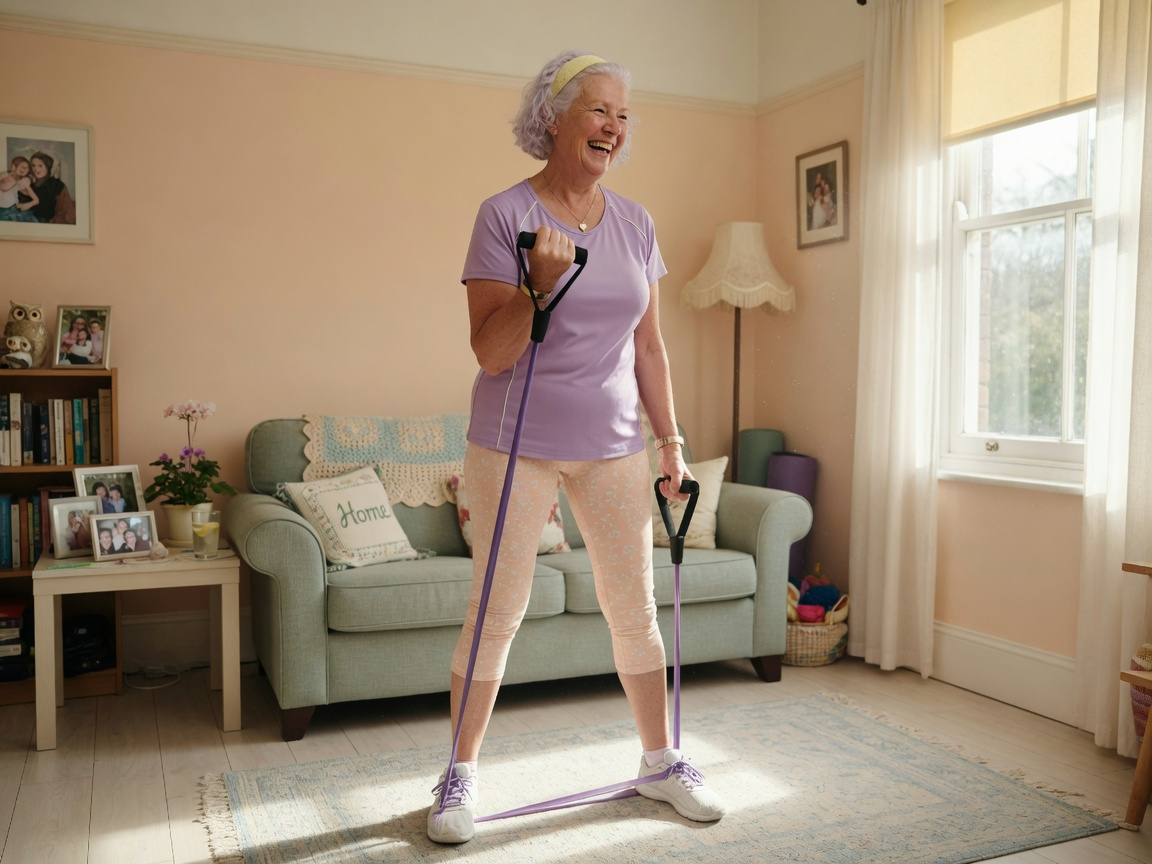
For older adults, the type of exercise matters as much as the amount. Aerobic activity — walking, swimming, cycling — supports cardiovascular function and burns calories effectively. But resistance training is the essential ingredient for managing the muscle loss that accelerates after 60. Older adults who lift weights or use resistance bands consistently maintain better metabolic function, stronger bones, and greater functional independence than those who rely on cardio alone. These benefits extend well beyond weight management into the quality of daily life.
The good news: you don’t need to become an athlete. Research consistently shows that even modest increases in physical activity produce meaningful health improvements in sedentary older adults. Starting with three 10-minute walks per day is a legitimate, evidence-backed approach — one that costs nothing and requires no equipment. The goal is consistent movement building over time, not dramatic exertion on day one that leads to injury and abandonment by day three.
Health improvements rarely happen in isolation. If you’re making multiple lifestyle changes at once — improving your diet, increasing activity, and addressing other long-standing habits — resources on other significant lifestyle decisions for older adults can help you think through where to direct your energy first and how to sequence the changes most effectively.
What Does the Future of Senior Nutrition Look Like in 2026 and Beyond?
The dietary conversation is shifting in 2026, and the direction is encouraging for older adults who have grown tired of elimination-based approaches. The broader trend is moving away from “cut this out” and toward “optimize what you eat.” Here’s what that looks like in practice for seniors.
Personalized nutrition is the headline development. Advances in gut microbiome testing and continuous glucose monitoring have made it possible to understand how individual bodies respond to specific foods in real time. The future of dietary guidance isn’t “everyone should avoid grains” — it’s “here is how your particular metabolism handles different carbohydrates at different times of day.” This is a meaningful, evidence-grounded shift away from the one-size-fits-all restriction diets that have dominated the popular imagination for decades.
Protein timing for older adults is receiving increasing research attention in 2026. Evidence suggests that distributing protein intake evenly across three meals — rather than loading most of it into dinner — may better support muscle protein synthesis in seniors. This is the kind of nuanced, practical optimization that produces real results. It doesn’t require cutting any food group or buying a single book. It just requires spreading your chicken, fish, legumes, and dairy across your day more deliberately.
Mediterranean and MIND diet frameworks continue to dominate evidence-based recommendations for older adults and will almost certainly do so through 2027. Both emphasize variety, plant-forward eating, quality fats including olive oil, and moderate portions of everything — including the whole grains, legumes, and dairy that Paleo forbids. Neither requires explaining yourself at the dinner table. That’s a feature, not a footnote.
Frequently Asked Questions About the Paleo Diet for Older Adults
Is the Paleo diet safe for seniors?
For most healthy older adults, short-term Paleo is unlikely to cause immediate harm. But the long-term elimination of dairy and legumes creates meaningful risks — particularly around calcium intake and bone density — that compound the longer the diet is followed. Seniors already at elevated risk for osteoporosis, or those with cardiovascular, kidney, or metabolic conditions, should speak with their doctor before making major dietary changes of any kind.
Can you lose weight on the Paleo diet after 60?
Yes — in the same way you can lose weight on almost any diet that reduces calorie intake. Paleo’s restrictions naturally eliminate many high-calorie processed foods, which creates a deficit. But the weight loss isn’t caused by the absence of grains or dairy specifically — it’s caused by eating fewer calories overall. A balanced, calorie-aware approach produces the same results without the nutritional compromises that matter so much after 60.
What are the best diets for older adults according to current research?
The Mediterranean diet and the MIND diet (Mediterranean-DASH Intervention for Neurodegenerative Delay) consistently receive the strongest research backing for healthy aging. Both emphasize vegetables, whole grains, legumes, fish, quality fats, and moderate portions without banning any food group outright. The DASH diet also performs well specifically for blood pressure management, which is a common concern after 60. All three are flexible enough to work across a lifetime of real-world eating.
What happens if seniors don’t get enough calcium?
Insufficient calcium accelerates bone density loss, raising the risk of osteoporosis and fractures. Falls are one of the leading causes of serious injury in adults over 65, and reduced bone density makes those falls dramatically more dangerous. Women over 50 and men over 70 both need 1,200mg of calcium daily. Cutting dairy — the most efficient dietary calcium source — without careful supplementation and deliberate alternative sourcing makes hitting that target extremely difficult on a consistent basis.
Are legumes really healthy for older adults?
Consistently, yes. Lentils, black beans, chickpeas, and kidney beans are among the most nutritionally dense foods available at any price point. They provide plant protein, soluble fiber that supports cholesterol management, folate, iron, and potassium. Research spanning several decades links higher legume consumption with lower rates of heart disease, type 2 diabetes, and colorectal cancer. They are also inexpensive and shelf-stable — two qualities that matter greatly for older adults managing a household budget.
Is it too late to start exercising after 60?
Not at all. Research shows meaningful and measurable health improvements in adults who begin regular physical activity at any age — including their 70s and 80s. The key is starting at an appropriate intensity and building gradually. Walking, swimming, and resistance band training are excellent entry points for older adults who haven’t exercised consistently in a while. Even 150 minutes of gentle walking spread across a week produces real cardiovascular and metabolic benefits, and each week built on the last compounds into something significant over time.
The Bottom Line: What Should Older Adults Actually Do About Their Diet?
The Paleo diet tells a compelling story. But nutrition isn’t a story problem — it’s a biology problem. And the biology of healthy aging is clear: older adults need calcium from dairy to protect their bones, fiber and plant protein from legumes to support their gut and heart, B vitamins and sustained energy from whole grains, and enough food overall to protect the muscle mass that keeps them strong and independent. The Paleo diet works against all of this in the name of a theory about prehistoric eating that the science doesn’t support.
The good news is that sustainable weight loss and healthy aging in 2026 don’t require a rulebook, a guru, or a narrative about cave people. They require consistency, reasonable calorie awareness, regular movement, and a genuine commitment to changes that fit your actual life. The simple approach works. It has always worked. The fad diet industry just doesn’t profit from you knowing that.
Here is your 30-day action sequence to get started today:
- Week 1: Cut sugary drinks entirely. Switch to water, herbal tea, or fizzy water with fruit. No other changes yet — just this one.
- Week 2: Add a 20–30 minute walk on at least five days of the week. Keep the drink change going alongside it.
- Week 3: Focus on portion sizes. Use a smaller plate at home; box half of restaurant meals before you start eating.
- Week 4: Add two resistance training sessions — light weights, bands, or bodyweight exercises. Keep all three prior habits running.
Four weeks in, you’ll have built four sustainable habits without banning a single food group. That’s the foundation everything else rests on. Build from there, one honest change at a time. Your cave ancestors would probably be impressed.
— **Schema Markup** (also embedded above): Article, FAQPage, and HowTo schemas are included in the `